Habitat Restoration
Wild Corridors
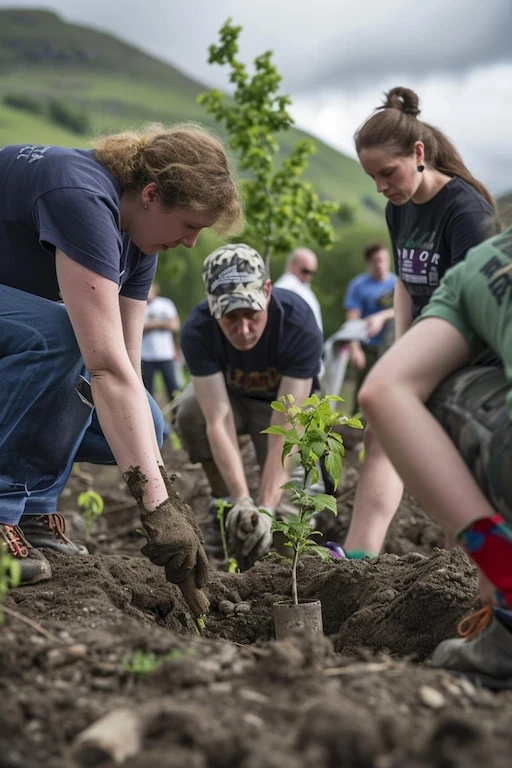
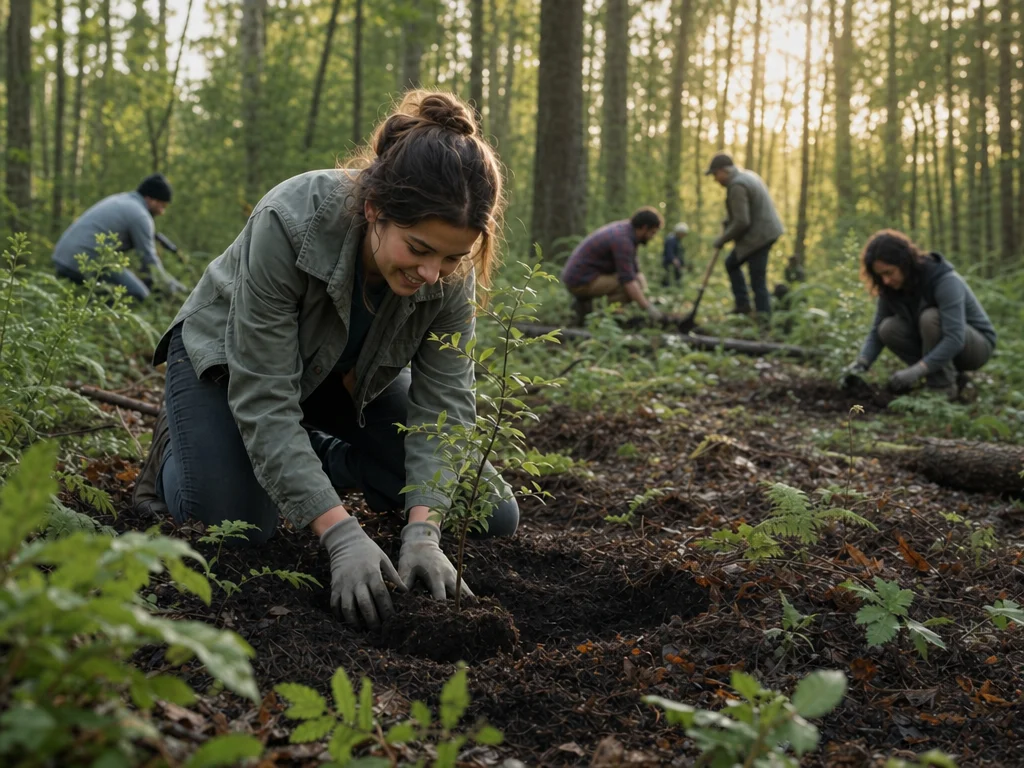
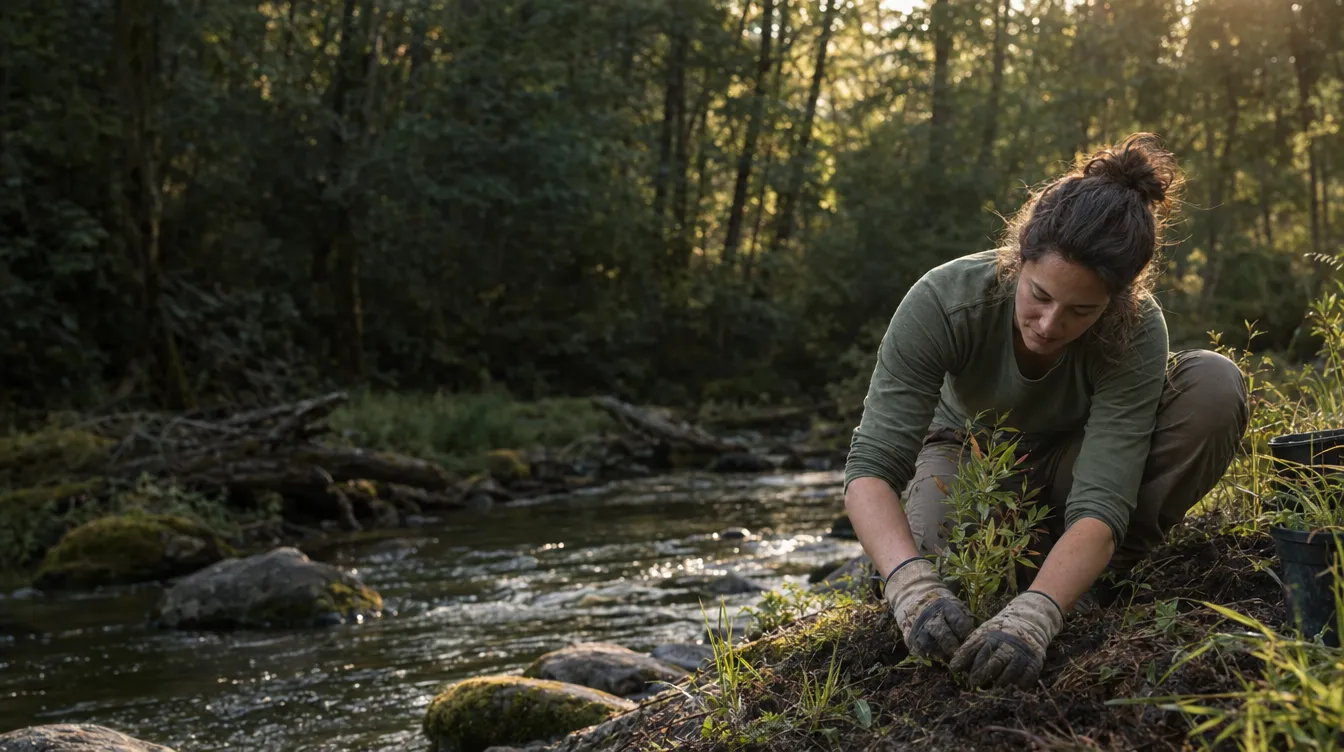
We're reconnecting fragmented habitats with native planting and community-led restoration, giving wildlife safer routes through the landscape.
Habitat corridor restored
6 KM
Location
Greenway Valley
Project Year
2026
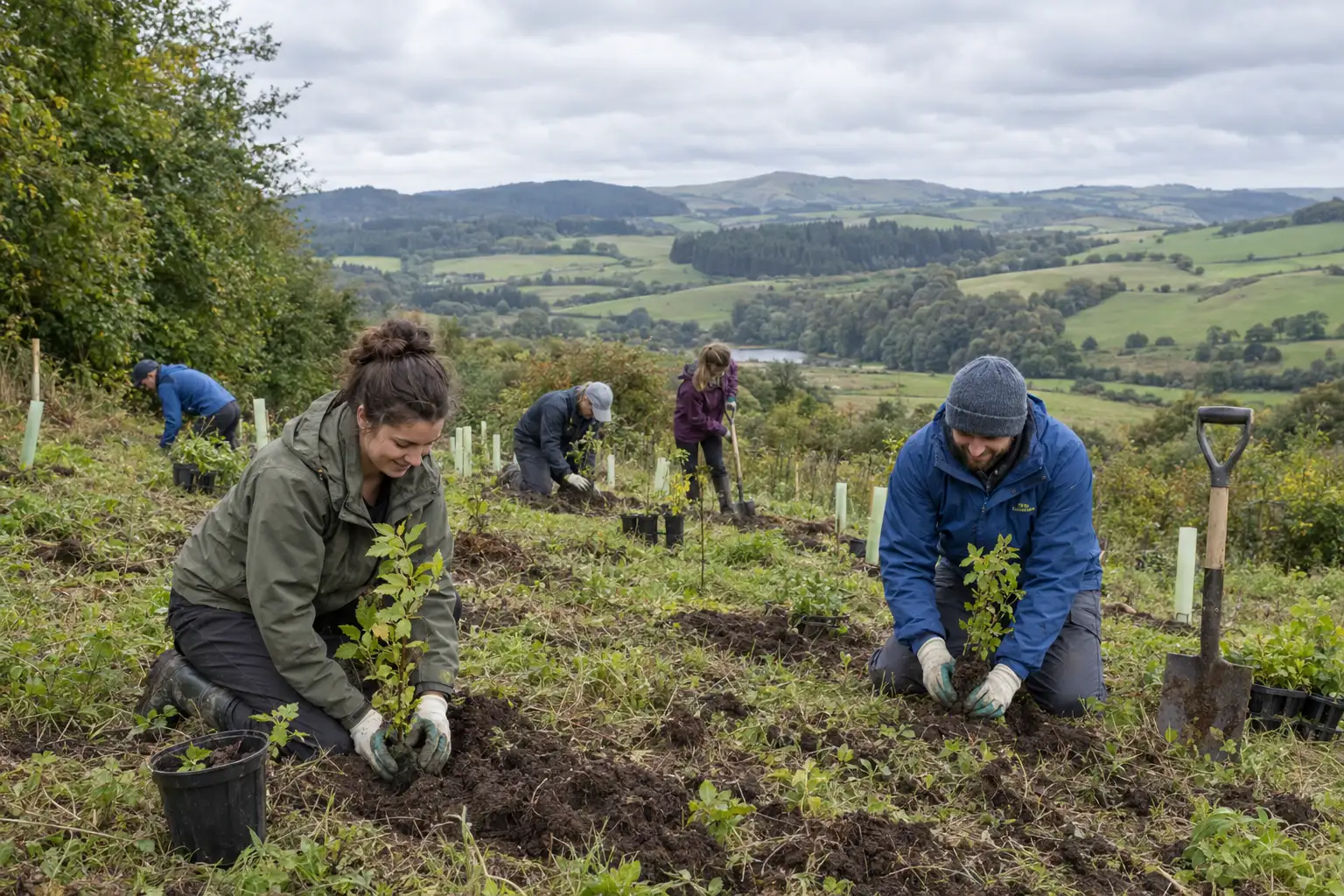
Wildlife needs connected places to move, feed, and recover.
Natural habitats do not exist as isolated spaces. Wildlife often depends on connections between different areas for movement, food, shelter, and seasonal changes.
When these connections become fragmented, important routes through the landscape can become harder to use.
Wild Corridors focuses on reconnecting fragmented habitats through native planting and community-led restoration.
TerraKind is working across key sections of the landscape to strengthen links between existing habitats and create more continuous areas of native vegetation.
Connecting habitats, not just planting them
The project looks beyond individual planting areas.
Each restoration site is considered as part of a wider landscape, helping identify where new vegetation can create stronger connections between existing natural areas.
Local volunteers contribute to planting and ongoing care, making the restoration process a shared effort.
The work may begin with small sections, but those sections can become part of a larger network as restoration continues.
Building connections over time
Habitat restoration does not happen overnight. Young plants need time to establish, and the landscape changes as vegetation grows.
The project will continue monitoring restored areas and identifying opportunities to strengthen connections in the future.
The long-term goal is to create a more connected landscape where wildlife has better opportunities to move through healthy habitat.
For the community, the project also provides a practical way to understand how individual restoration actions can contribute to something much larger.