Community
The people behind a successful planting day
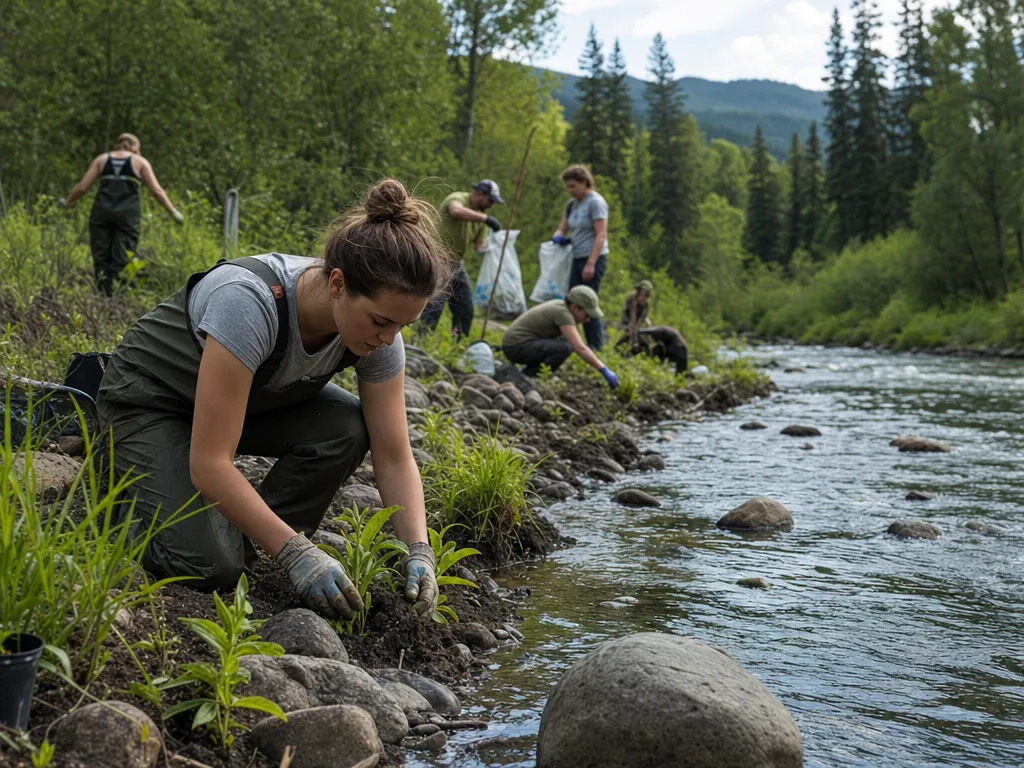
A planting day is about more than getting plants into the ground—it is about making participation simple, useful, and shared.

TerraKind Community Team
Publish Date
The people behind a successful planting day
From a distance, a community planting day can look simple.
People arrive.
Tools are handed out.
Plants go into the ground.
At the end of the day, the landscape looks different.
But anyone who has helped organize one knows that the visible work is only part of the story.
A good planting day depends on many small details: clear communication, appropriate tasks, prepared materials, people who know what they are doing, and an atmosphere where newcomers feel comfortable contributing.
Participation starts before people arrive
The first step is making the invitation understandable.
People need to know where to go, what the day involves, what they should bring, and what kind of work they can expect.
This may sound obvious, but clarity makes participation easier.
Not everyone has experience with planting or restoration.
A first-time volunteer should not have to understand environmental terminology before they can contribute.
Simple instructions create a better starting point.
Everyone brings a different strength
A planting day does not require everyone to perform the same task.
Some people are comfortable working with tools. Others prefer organizing materials. Some are good at explaining instructions. Someone may enjoy documenting the day through photographs. Children may participate best through simple planting or observation activities.
There is value in recognizing these differences.
Participation becomes more inclusive when people can contribute according to their abilities and interests.
Preparation makes the work safer and smoother
Good preparation is rarely visible in photographs.
It happens before the event.
Tools are checked.
Plants are organized.
Work areas are identified.
Instructions are prepared.
People responsible for guiding volunteers know what needs to happen.
When these things are ready, volunteers can focus on the work instead of waiting for answers.
The result is not just greater efficiency.
It also creates confidence.
People are more likely to participate when they feel that the activity has been thoughtfully organized.
A planting day is also a learning experience
One of the best things about community restoration is that people can learn by doing.
A volunteer might discover why one plant belongs in a wetter area. Someone else might learn how roots should be positioned. A child might notice an insect they have never seen before.
These moments turn environmental ideas into something tangible.
Instead of simply hearing that ecosystems are interconnected, people can see those connections in front of them.
The experience stays with them.
The social part matters too
Community work is not only about the task.
People talk while they work.
They exchange local knowledge.
They meet neighbors.
They ask questions.
They discover that someone nearby shares an interest in gardening, wildlife, rivers, or outdoor spaces.
Those conversations can be as important as the planting itself.
Environmental action becomes a social experience rather than an individual responsibility.
What happens after the planting day?
The end of the event is not necessarily the end of participation.
People may want to know what happens next.
Will the plants be monitored?
Who will maintain the area?
When can volunteers return?
What changes should they look for?
Providing a simple answer to these questions helps people understand that restoration is ongoing.
It also gives volunteers a reason to stay connected.
A single planting day can become the beginning of a longer relationship with a place.
Make it easy to come back
The strongest community projects do not depend entirely on one large event.
They create small opportunities for continued participation.
That might mean another volunteer day, a seasonal walk, a community observation activity, or simply an invitation to visit the site and notice how it changes.
The goal is not to keep people busy.
It is to help them feel connected to the landscape.
A successful planting day is measured differently
It is easy to count plants or volunteers.
Those numbers can be useful, but they do not tell the whole story.
A successful planting day also creates understanding.
Someone leaves knowing more than when they arrived.
Someone feels comfortable joining another activity.
A neighbor starts paying more attention to a local green space.
A group of people begins to see a shared landscape differently.
Those outcomes may be difficult to measure, but they are part of what makes community restoration meaningful.
The plants are important.
So are the people who plant them.